

From "am I filming this right?" to "this is our future platform": Manac's journey with CLIP
- Pilot phase completed after 4 weeks of conclusive testing
- Shop floor rollout underway with a first team of agents
- Creating a work instruction went from several hours to a few minutes
- A partnership run side by side, week after week
Where the project stands
4 weeks of testing, with a conclusive result.
A first team of agents, over about 4 weeks, before a gradual expansion.
Creating a work instruction went from several hours to a few minutes.
Creating a work instruction: from several hours to a few minutes
The project snapshot
.jpg)
The operational challenge
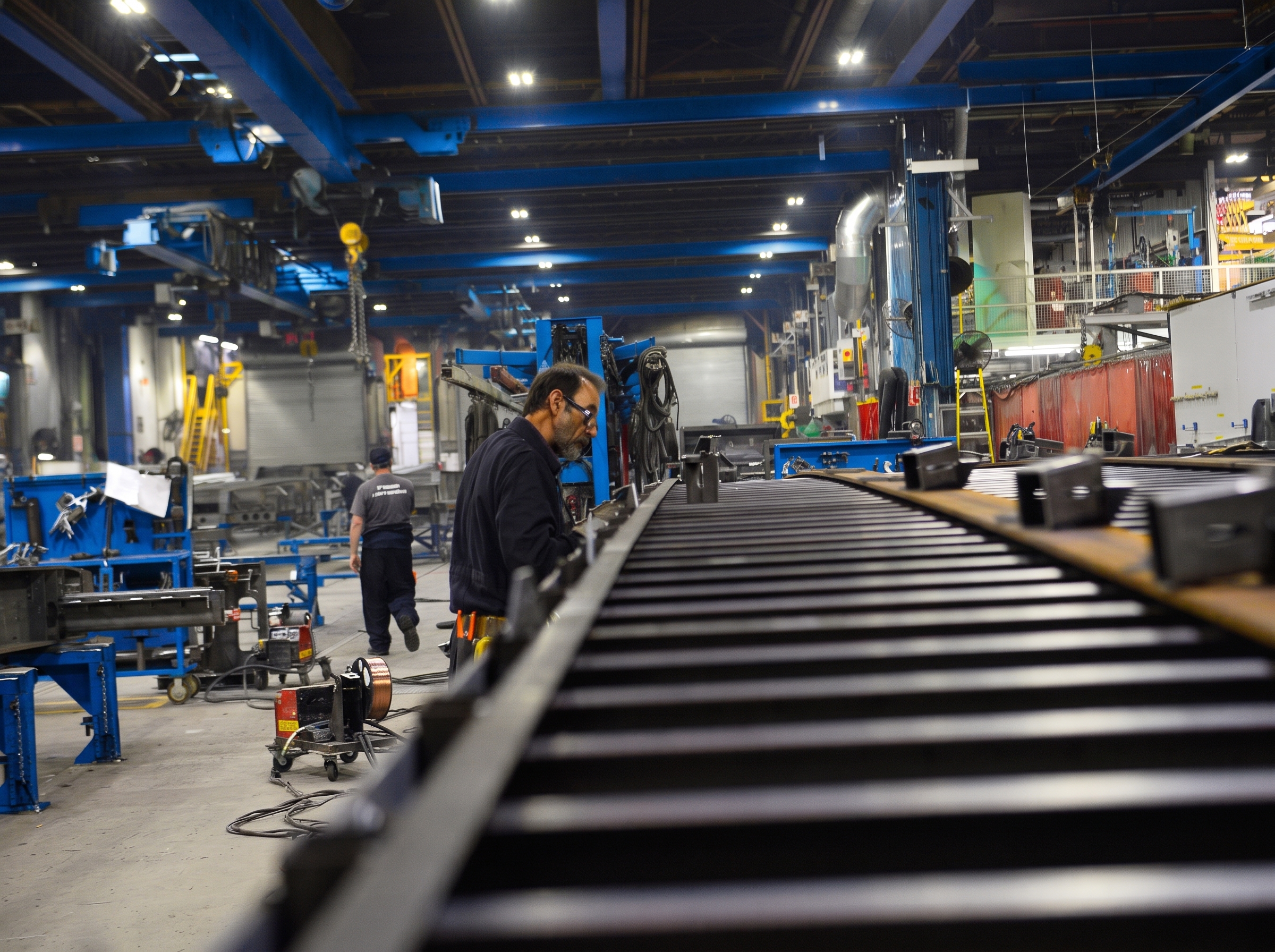
Manac's know-how mostly lived in the heads of its experts. With retirements approaching, that knowledge risked leaving with them. At the same time, onboarding and training new hires took time, and work instructions were hard to keep up to date. At stake: the ability to train fast and protect quality.
When know-how depends on a few heads
At Manac, writing a single work instruction took several hours. Each sheet relied on an expert who knew the task by heart. The result: when an expert leaves, part of the knowledge leaves with them. Sheets were not always up to date, and new employees were trained unevenly. Manac was looking for a fast way to produce reliable instructions without tying up its experts for hours.
An internal committee was formed to prepare for the upcoming retirements and capture the know-how before it disappeared.
What changes, concretely
From the pilot phase on, CLIP has shifted several daily friction points.
The solution: CLIP
CLIP is Intelligence Industrielle's AI that turns a simple video clip into a clear, standardized work instruction. Experts film the task, CLIP generates the sheet, and the team validates it in a few minutes.
.jpg)
A project run side by side, week after week
A 4 week pilot, then a rollout with a first team of agentsThis is not software that gets delivered and forgotten. Throughout the pilot phase, the Intelligence Industrielle and Manac teams worked in a tight loop: a meeting every week, visits on the floor, and frank two way communication. When something did not fit, Manac said so, and the team adjusted CLIP accordingly: the prompt, the engine, the way sheets come out. This try, listen, adjust rhythm made it possible to calibrate the tool on the real floor.
- 1A meeting every week throughout the pilot
- 2Visits on the floor and frank two way communication
- 3CLIP continuously adjusted: the prompt, the engine, the sheet output
The first operator who discovered a CLIP generated instruction was immediately won over, and the others, curious, are already waiting for what comes next. After 4 weeks of piloting, the project moves to rollout with a first team of agents.
Conviction, step by step
The best success indicator here is not a number, it is the way Margo Pascalline Manke Ngondjo, project lead at Manac, took ownership of the project over the weeks.
Seeking reassurance
She moved cautiously. She looked for reassurance and leaned on the team's expertise.
"Is the way I film the clips the right way?"
Co-building
The dynamic shifted to co-building: she produced the clips, sent them in, and got into the testing. When a feature was shown to her, she confirmed it matched their vision and their internal process.
"Yes, this matches the way we work."
Leading the rollout
She talks about rollout and adoption. She validates the pilot plan, prepares the operators, and already looks further ahead.
This progression, from a cautious test to a client-owned strategic project, is the real proof that the partnership works.
"CLIP is our future single platform for work instructions."
 Margo Pascalline Manke NgondjoProject lead, Manac
Handling objections
What if the solution does not fit our reality?
The pilot is built on an adjustment loop: whenever Manac flagged a gap, CLIP was changed accordingly. The tool adapts to the floor, not the other way around.
Do we have to stop everything to deploy?
No. The rollout happens in stages: first a pilot phase, then a first small team of agents, before expanding gradually.
Will operators get on board?
The first signals from the floor are encouraging: a first operator welcomed a CLIP instruction, and the interest is spreading to the others.